


The real reason to choose Delfín Amazon Cruises
Choosing how to experience the Amazon is not a casual decision. This is not interchangeable travel. The Amazon is one of the most ecologically complex and culturally layered regions on earth, and the way you enter it matters.
If you are comparing Amazon river cruises, here is what truly distinguishes Delfín.
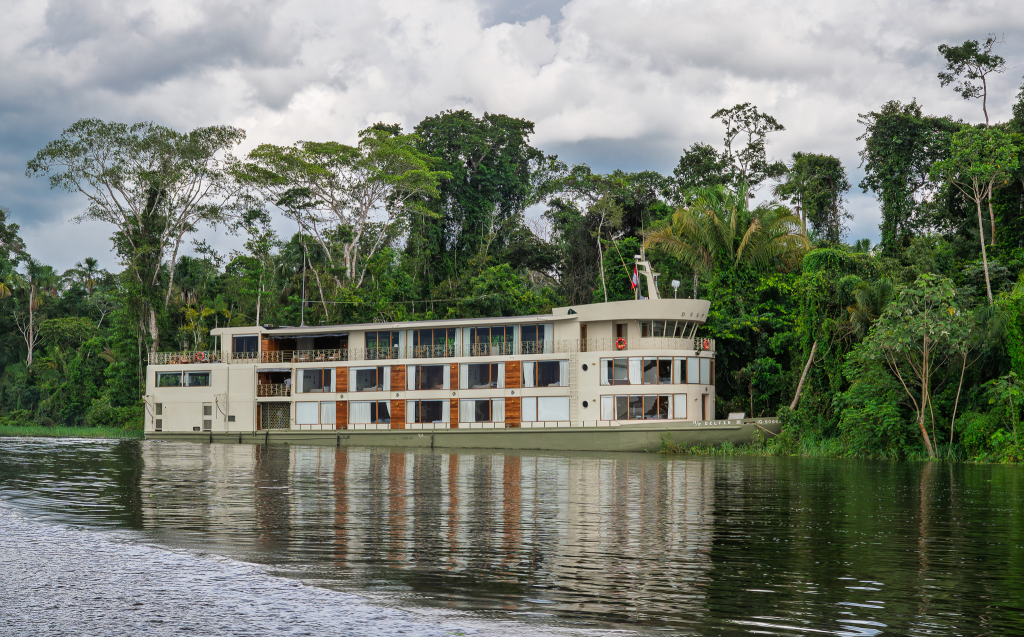
First, there is longevity. Delfín has operated continuously in the Peruvian Amazon since 2006. In a region where flooding cycles shift routes, regulations evolve, and logistics test even the most seasoned operators, twenty years of uninterrupted presence is not a small detail. It means deep navigation knowledge, resilient operations, and long-term relationships with communities and conservation partners. In the Amazon, experience is not theoretical; it is accumulated season by season.
Then there is recognition. Delfín is the only Amazon river cruise welcomed into Relais & Châteaux, and to opened up a category. That distinction reflects more than prestige. It signals internationally benchmarked gastronomy, refined service, and a philosophy rooted in place. If food, hospitality standards, and coherence of design matter to you, this is not cosmetic; it is the experience!
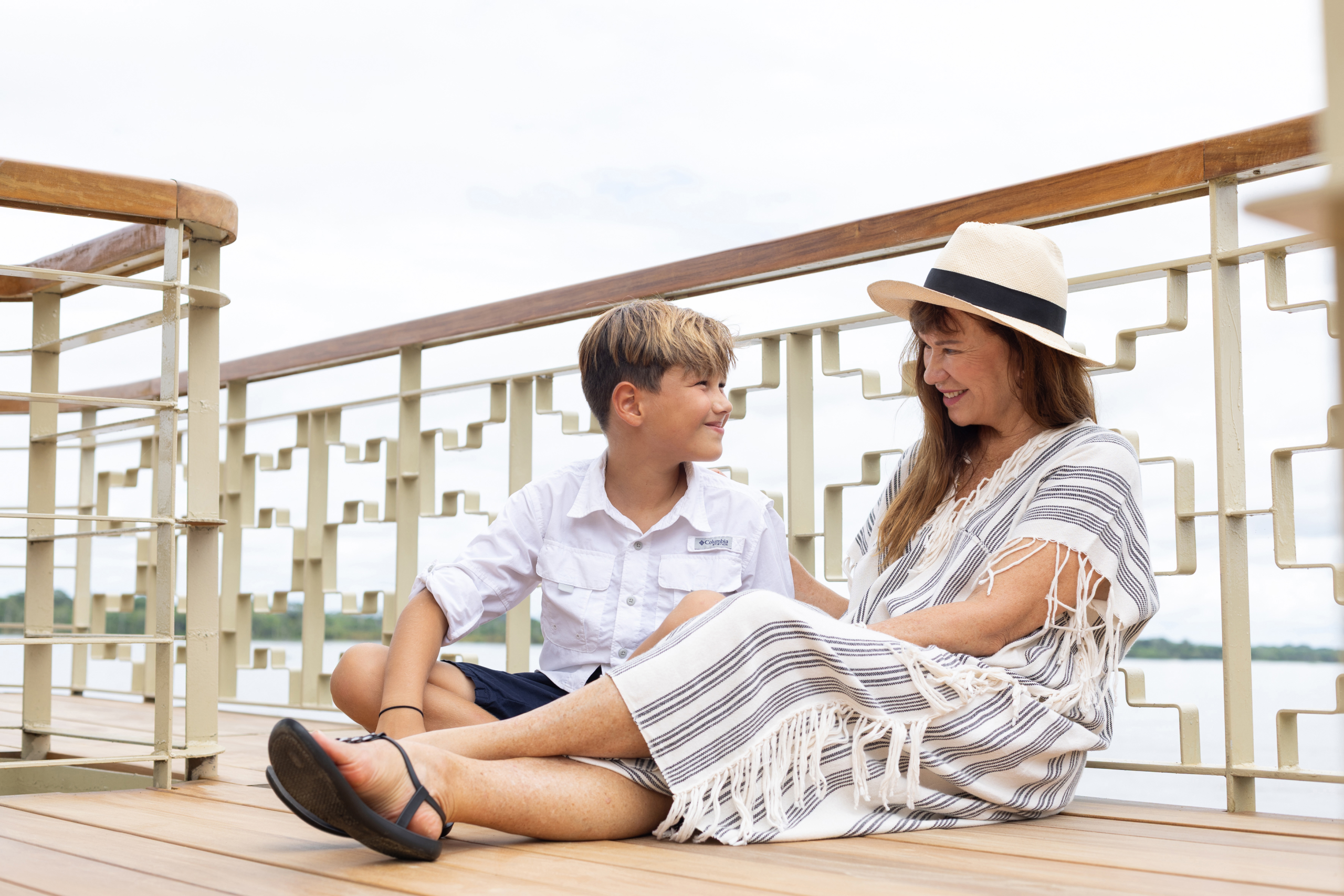
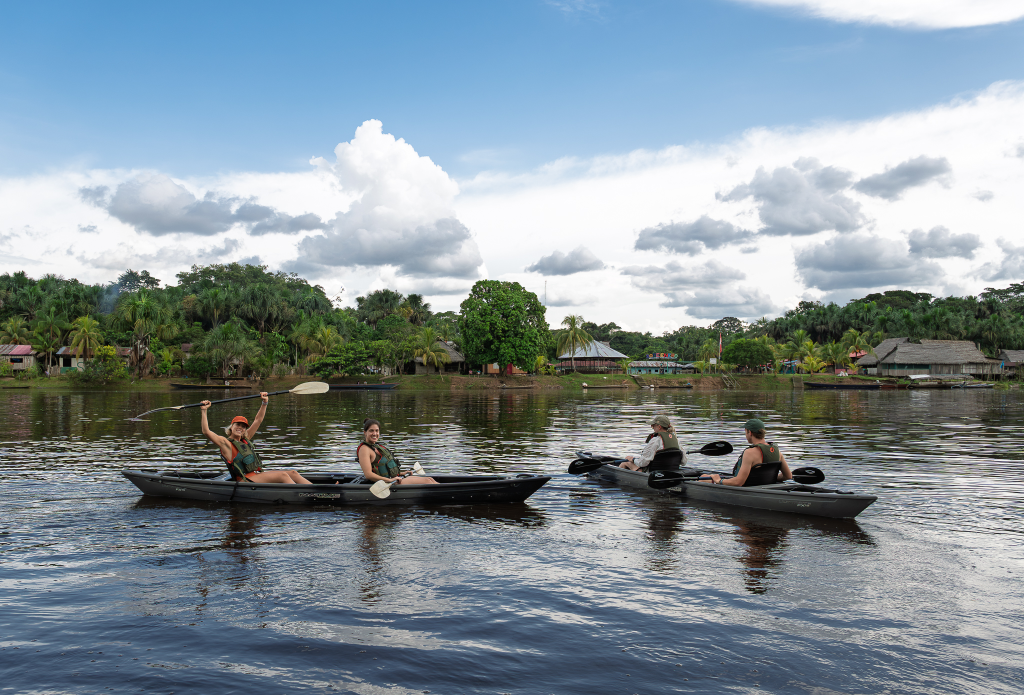
Scale is another defining factor. Delfín I carries only four oversized suites. Delfín II and III maintain low guest capacity intentionally. This is not about exclusivity theater; it is about atmosphere and impact. Smaller guest numbers mean quieter wildlife encounters, more personalized guiding, less pressure on landing sites, and a calmer onboard rhythm. You are not moving through the Amazon in a floating resort. You are moving through it with intention.
Territorial depth also matters. Delfín operates primarily within the Pacaya Samiria National Reserve, one of the most biodiverse protected areas in the world. This provides access to remote blackwater lagoons, flooded forests, pink river dolphins, rare bird species, and primates in their natural habitat. Not every cruise navigates with the same level of integration inside protected areas. Long-term presence here translates into both access and responsibility.
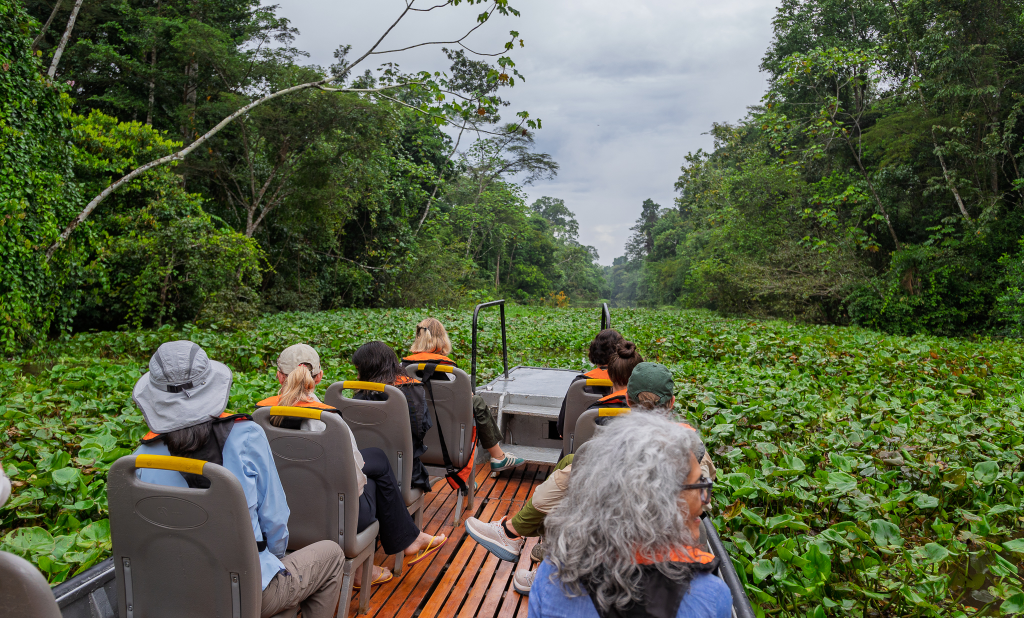
Equally important is who is guiding you. Delfín’s crew is entirely local, they were raised in the forest, our naturalists are the Amazon. The knowledge you receive onboard is not scripted interpretation; it is lived familiarity with the rivers, seasons, and communities. When a guide explains a tree, a current, or a village, it is not an external narrative: it is home.
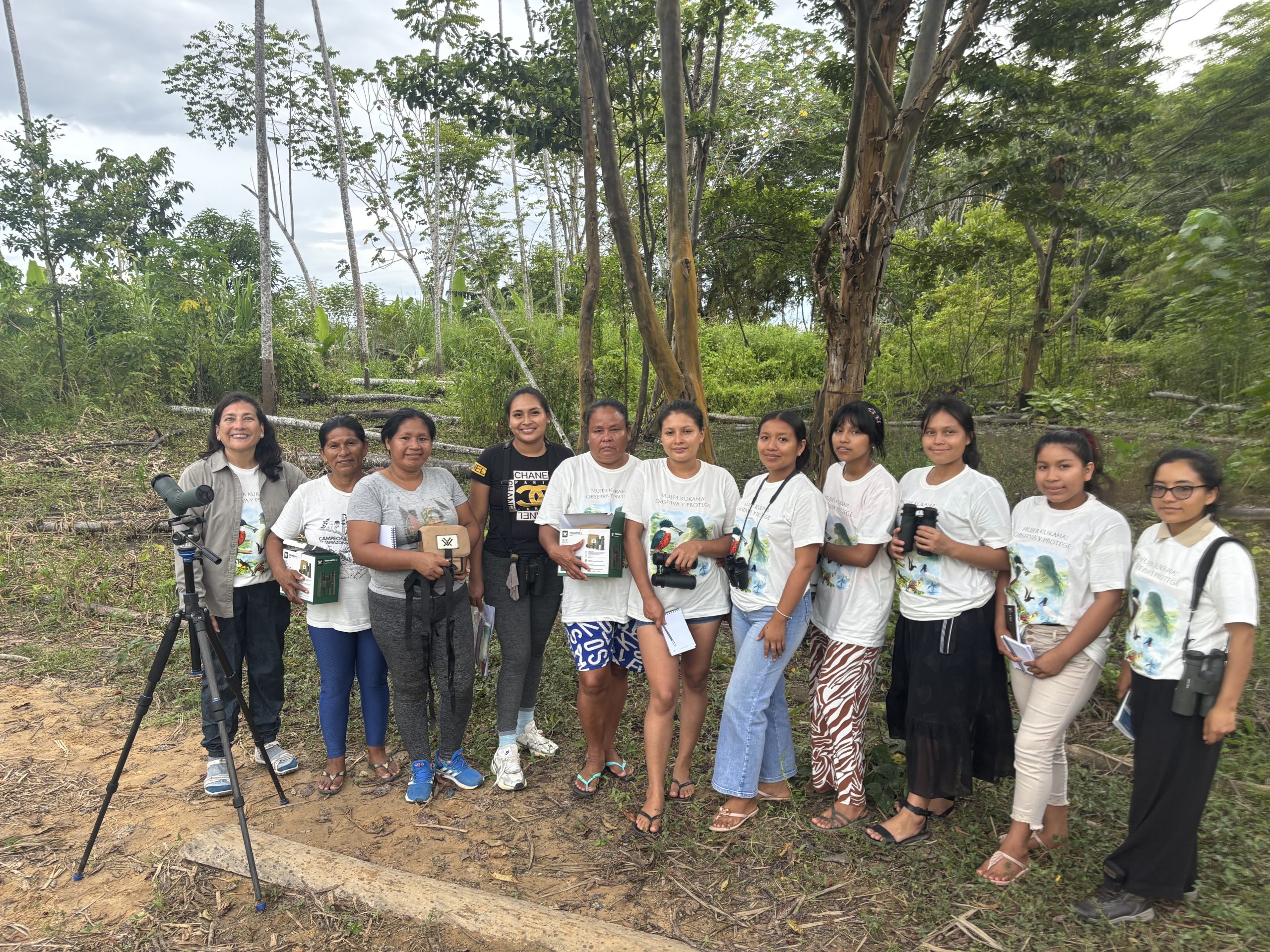
Conservation is another layer that differentiates Delfín in practical terms. The company collaborates with organizations such as ProDelphinus and SERNANP, contributing to biodiversity monitoring and pink river dolphin research. This is not a decorative sustainability statement. It is structured, ongoing partnership. Traveling with Delfín means participating in a system that actively supports ecological research and protection.
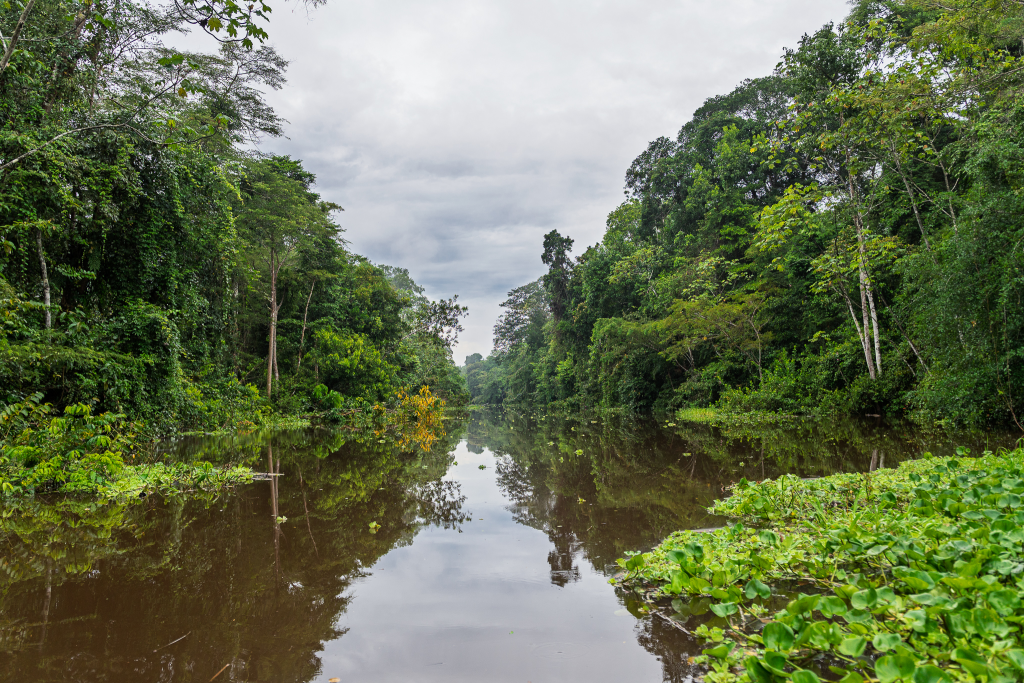
Beyond sustainability, Delfín has moved toward regeneration. Through initiatives that support native palm reforestation, agroforestry systems, and forest-based economic resilience, the company recognizes that preservation alone is not enough in a region under pressure. Regeneration implies giving back more than is taken: economically, ecologically, and culturally.
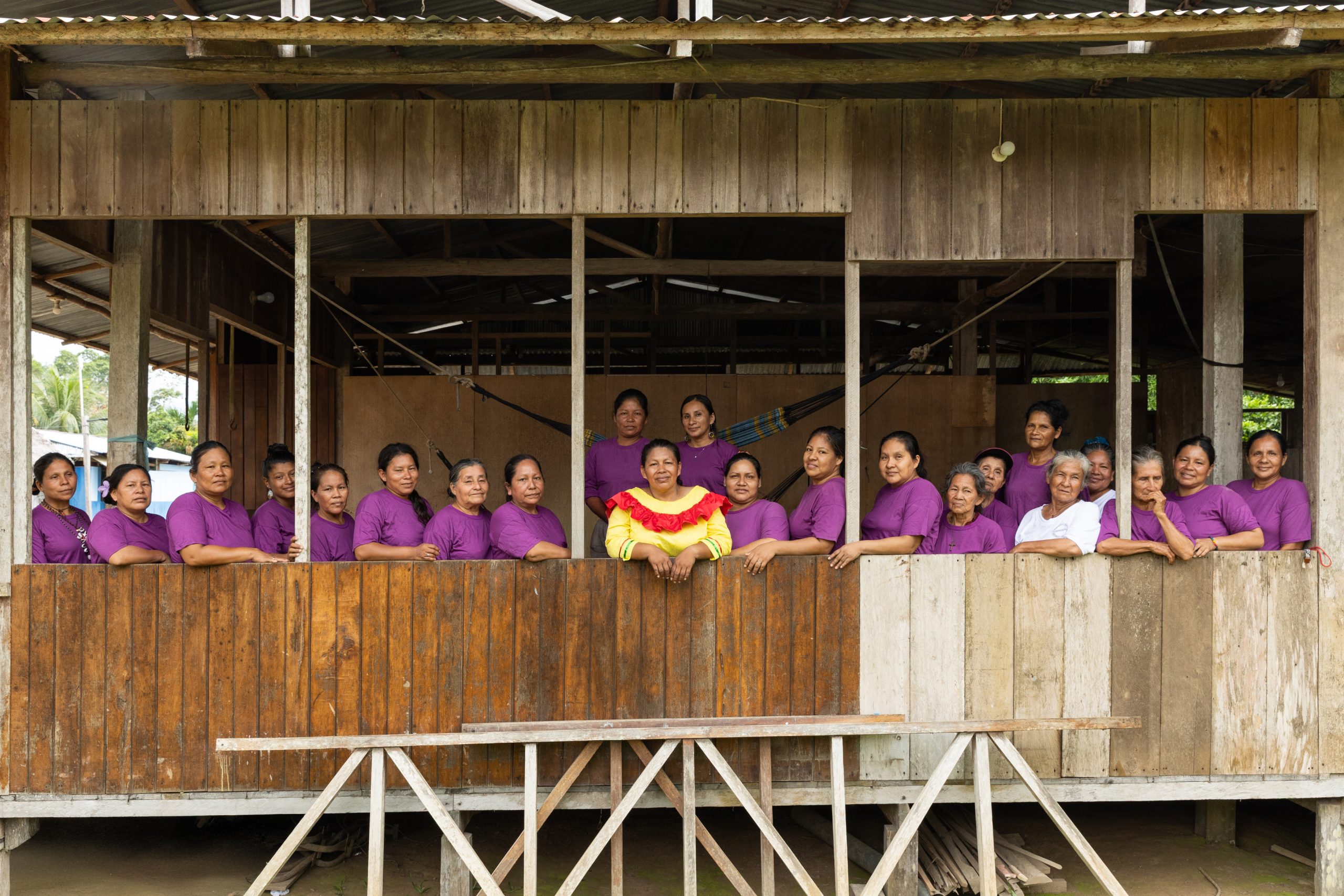
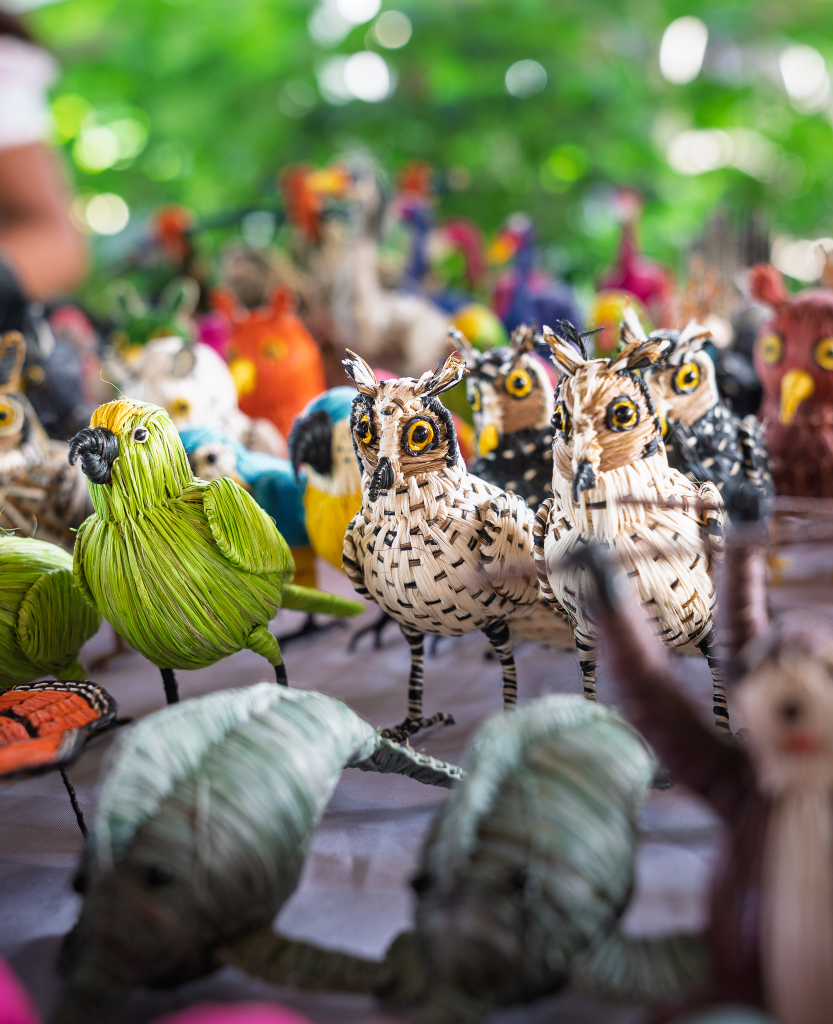
That cultural dimension is not incidental. Delfín works with a network of river corridor communities, many of them women-led artisan groups preserving chambira palm weaving, wildlife-inspired sculptural traditions, and natural dye knowledge. The model is not charity. It is sustained purchasing relationships and market continuity. Craft onboard is not decoration; it represents living economies supported over time.
Design follows the same logic. Materials such as irapay palm; traditionally used in maloca roofing; are integrated into interiors not as aesthetic tropes but as climate-responsive references to Amazonian architecture. The result feels grounded rather than imported. There is restraint, warmth, and coherence. Quiet luxury here is tactile and contextual.
Gastronomy further reinforces the sense of place. Amazonian ingredients such as ají charapita and cocona bring heat and acidity unique to the forest. Camu camu, sacha culantro, macambo, and sustainably sourced paiche expand the culinary narrative beyond expectation. The forest is not an inspiration board. It is the pantry.
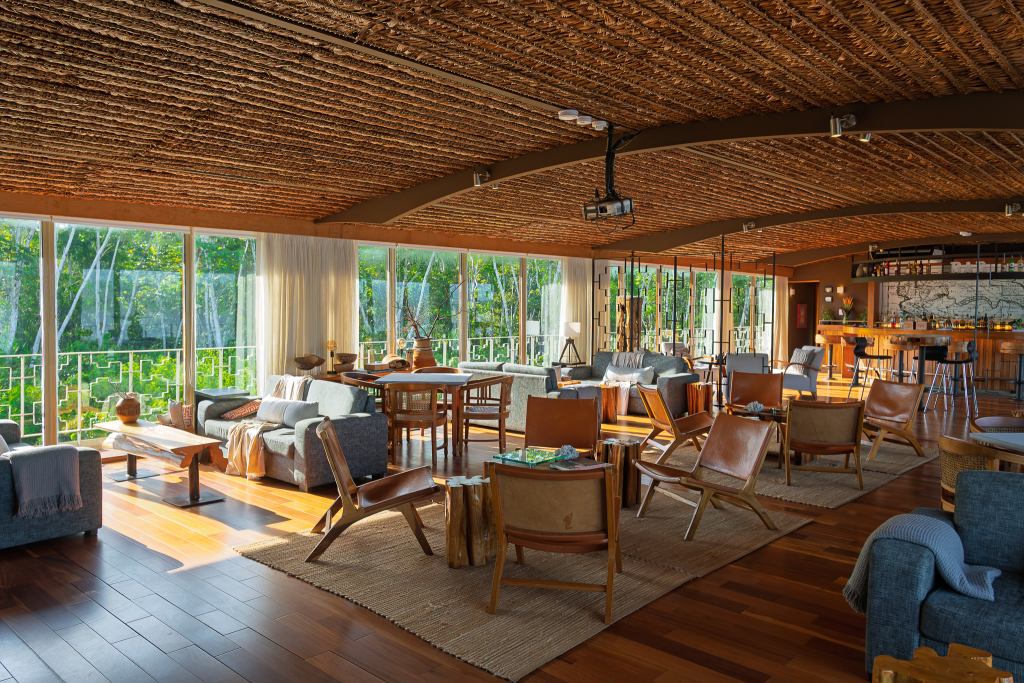
Technology is present, but not dominant. Connectivity exists where needed, yet guests are encouraged to slow down, observe, and listen. The balance between access and immersion is deliberate. The Amazon is not reduced to a backdrop for content; it remains the central experience.
Finally, there is leadership continuity. Delfín remains family-led and independent. In an industry defined by consolidation and rapid expansion, the choice has been depth over scale. That continuity ensures that decisions are guided by long-term values rather than short-term growth metrics.
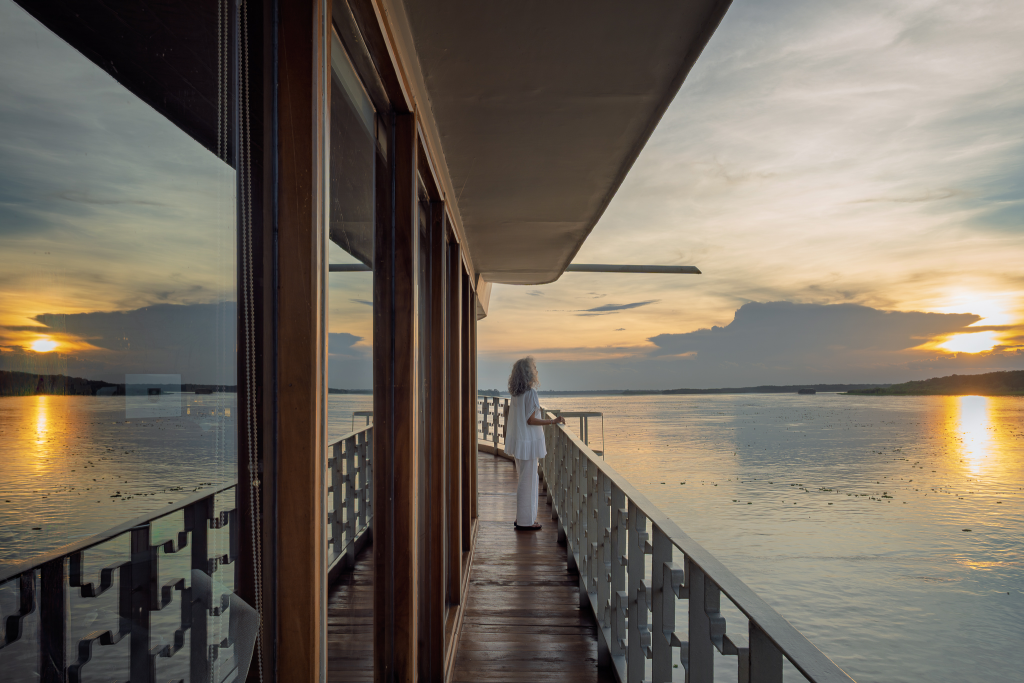
So why Delfín?
Because in the Amazon, scale matters.
Because who guides you matters.
Because conservation should be measurable.
Because culture should be collaborative.
Because luxury can be quiet, contextual, and responsible.
And because twenty years in one of the most demanding ecosystems on earth means earned authority.
The river writes the story. Delfín has been listening for two decades.
Photos @josealcantara.pe