


Even the Silence Has a Sound

A conversation with photographer José Alcántara on light, the river, and what the Peruvian Amazon asks of those who try to photograph it.
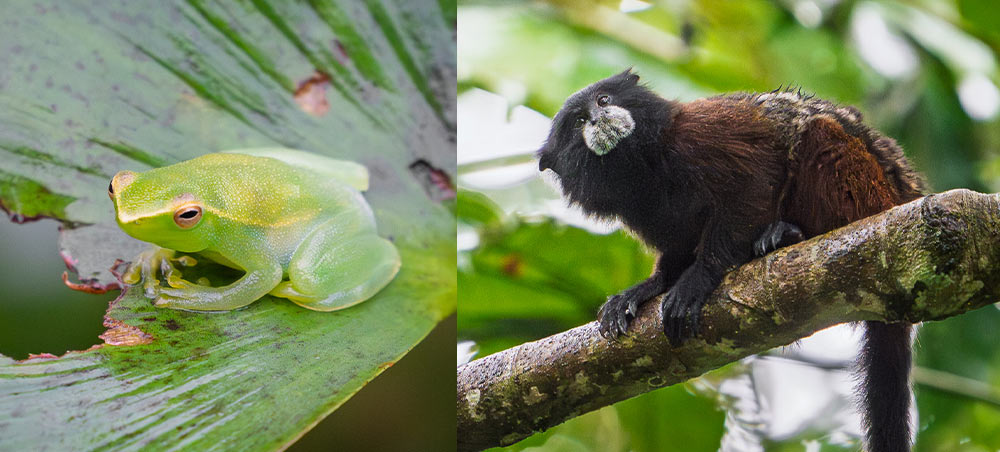
From the Andes to the Amazon: a photographer’s altitude shift
José Alcántara comes to the Amazon from another altitude. He is a photographer of the Andes, raised in a geography where mountains are apus: living entities with their own counsel and presence. When he boarded Delfín for the first time, he carried that habit of mind with him: a readiness to read a place as alive rather than picturesque.
On the Marañón, the same instinct returned. The rivers, he says, carry that energy too. Taking pictures of the Peruvian Amazon is not just about what you see; it is about what you hear and feel too.
Listening to the light of the Peruvian Amazon
The light is gentle and calming. It is like a big hug. You cannot rush around and expect to get good photographs. The Amazon is a lively place, with sudden rainstorms and changing weather, but to take good pictures, you need to be calm and patient. As one photographer says, “When you are in the jungle, you are not just taking pictures with your eyes. You are using your ears, your nose, and your instincts too. A noise in the bushes can be the start of a great photo.”
The Amazon is full of surprises, with animals and plants everywhere. You need to be quiet and still to get the best shots. The light in the jungle is soft and gentle, perfect for taking pictures. But the weather can change quickly, so you need to be ready. The jungle is a place where all your senses come alive, and that is what makes it so special.
This is a sensibility an Amazon river cruise like Delfín can give back to a photographer. The river slows the way the body moves through the landscape. You stop arriving at the rainforest and start inhabiting it.
On board Delfín: connection over isolation
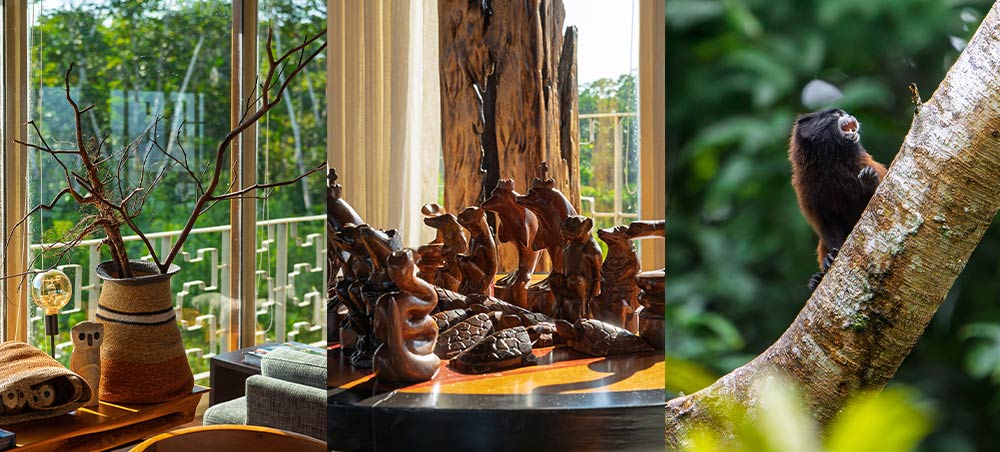
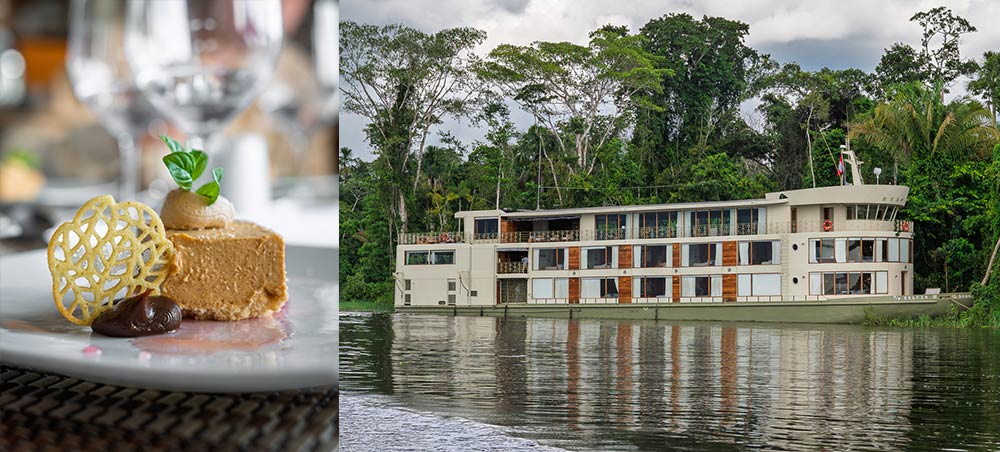
What really caught his attention was how connected he felt to the outside world. The materials and details on board did not block out the surroundings; instead, they brought them in. He loved the little touches, like the towels folded into animal shapes, each with its own story that changed every day. The dining room was set up to match the menu, and the kitchen’s use of ingredients from the Amazon region was a highlight for him. He has always been a fan of that kind of cuisine.
The way the staff paid attention to detail was impressive, from the folded towels to the stories that came with them. The dining room was set up to match the menu, which changed regularly. The kitchen’s focus on local ingredients from the Amazon region was a big plus. He felt like he was still connected to the outside world, rather than being shut off from it. The little gestures, like the folded towels and changing stories, made the experience feel more personal and engaging.
Delfín does not isolate you from the world around you. Instead, it does the opposite: it makes you feel even more connected to your surroundings.
Into Pacaya-Samiria: encounters along the Marañón
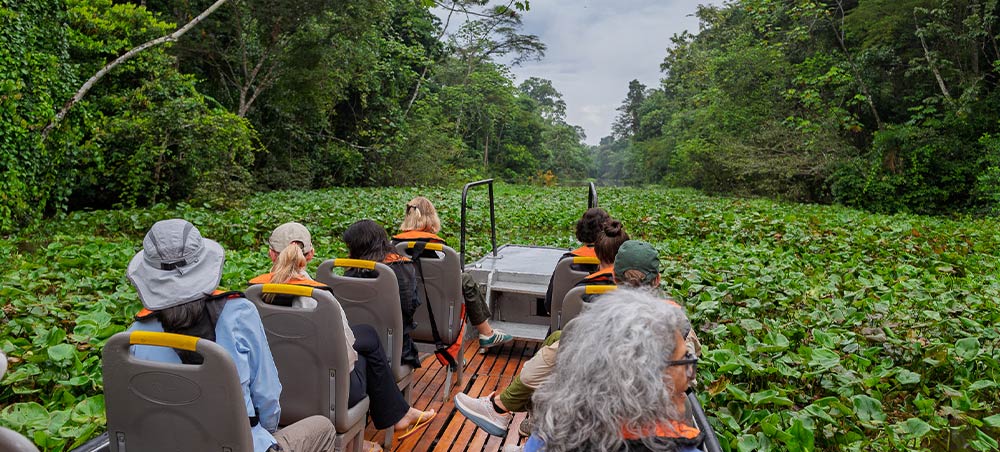
The expeditions out from the boat into Pacaya-Samiria, along the side channels of the Marañón and the Amazon, gave him first encounters with species he had only glimpsed before: an anaconda, a monkey frog, sloths, caimans, and a wide range of birds, many of them new sightings. He credits the local naturalists not just for finding the wildlife, but for reading the ecosystem in a way that lets a photographer understand what they are seeing.
When getting ready to take pictures in the wilderness, it is important to be prepared. Use different kinds of lenses to get the shots you want. Telephoto lenses can get you close to things that are far away. Wide-angle lenses show the animal in its natural habitat. The medium range is where you can tell stories about people.
Make sure your camera and lenses are protected from the elements. You will need things like silica gel, rain covers, and microfiber cloths to keep them dry. One trick that still works is using elastic shower caps to protect your gear in an emergency.
Equally important is what he calls posture toward the place: neutral colors, no unnecessary flash, and patience that does not press against an animal’s tolerance. The Amazon, he says, is a territory of sensations. The first thing is not to hunt for images, but to feel and to connect; to look without preconceptions; to allow oneself to pause. Sometimes, closing your eyes so the ear and the nose take over changes the whole experience.
When he was asked to pick one image that would sum up his whole experience, he did not choose a beautiful sunset over the water or a rare dolphin jumping out of the river. Instead, he thought of his daughter, and that is what stayed with him: “Maga, eleven years old, sitting watching the sunset from the boat, pointing at things for me to photograph.”
There is a phrase he likes, one that captures what it means to be in this place:
In the jungle, everything makes a sound. Even the silence.
José Alcántara is a photographer from the Peruvian highlands. His photographs move between landscape and wildlife, shaped by the mountains of the Andes and the living presence of the apus. In 2026, he traveled along the Marañón River aboard Delfín. You can see more of his work at @josealcantara.pe.
Photo Credits
José Alcántara
June 03, 2026