

Every Bird Counts
Erickson Pinedo on October Big Day and birdwatching in the Peruvian Amazon
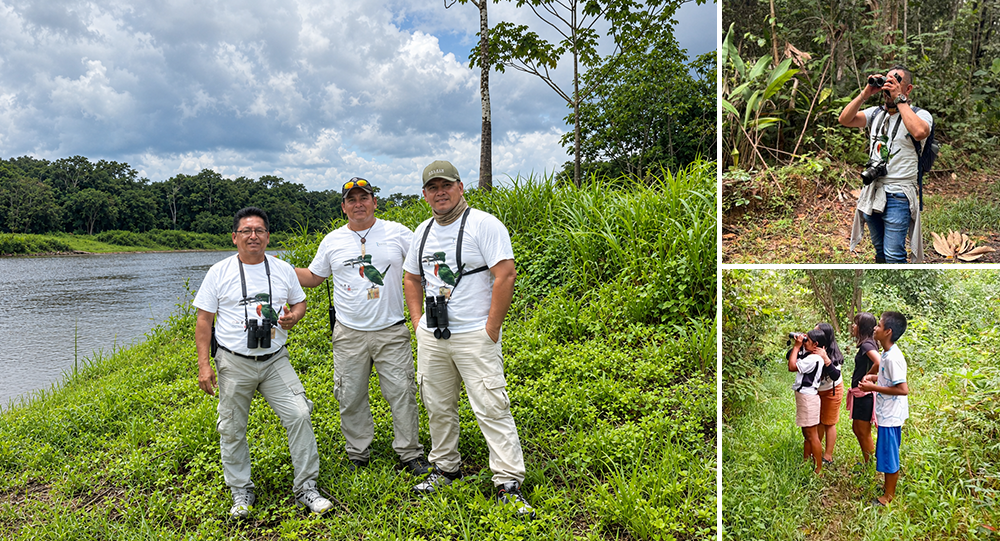
Erickson Pinedo remembers the macaws that once slept in palms near Yanallpa. At sunrise, they would emerge from holes in the trunks. River erosion damaged those trees, and he no longer sees the birds there. Years of guiding in the Amazon rainforest in Peru have taught him to notice changes like these.
On Saturday, October 10, 2026, October Big Day invites people around the world to record the birds they see and hear. Ahead of the count, we spoke with the naturalist guide about what bird records can tell us and how to begin.
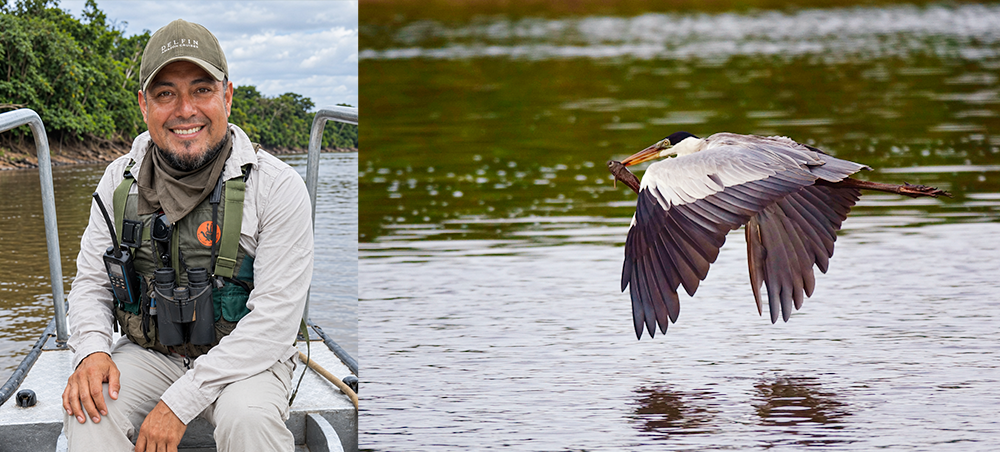
Erickson, what is October Big Day?
It is an international event that brings people together to observe and record birds on one day in October. Global Big Day takes place in May. The idea is to record the species we find and contribute that information to science. Those observations help us understand which birds are present and where they are being found.
Why does recording birds matter?
Records help us follow changes over time. We can look at whether birds are still being found in places where they were recorded before, and where migratory species appear at different times of year. Every observation adds information.
What makes the Peruvian Amazon such a good place for birds?
There are many different habitats here, including terra firme forest, which does not flood seasonally, and seasonally flooded forest. Rivers and wetlands support different birds, and some species have adapted to living around towns and communities.
What can birds tell you about the health of the forest?
Birds can be biological indicators. The forest has to provide the food and habitat they need. In areas close to communities, for example, we see species associated with more open or disturbed ground. Their presence, or the absence of birds we used to see, can tell us something about changes in the habitat.
What do birds do for the rainforest?
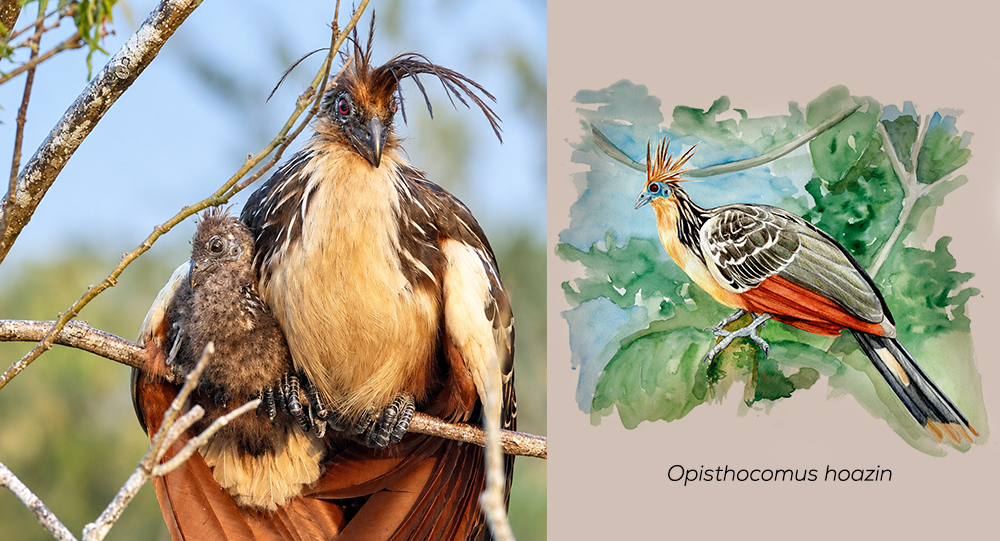
Birds disperse seeds and pollinate plants. They also help control insects. These processes help the forest regenerate and support the people and wildlife that live here.
I also like to say that birds are the clock of the rainforest. They know when to wake up and when to go to sleep.
After years of guiding, what changes have you noticed?
In some places, communities have grown and trees have been cut down. Those trees were homes for birds, monkeys and other animals. The rivers also change. Channels shift, and erosion changes habitats.
I remember the macaws that used to sleep in palms close to Yanallpa. At sunrise, we could watch them emerge from holes in the palms. River erosion damaged those trees. Now we don’t see that in the same place. You notice these things when you return again and again.
Is there one bird that still makes your day?
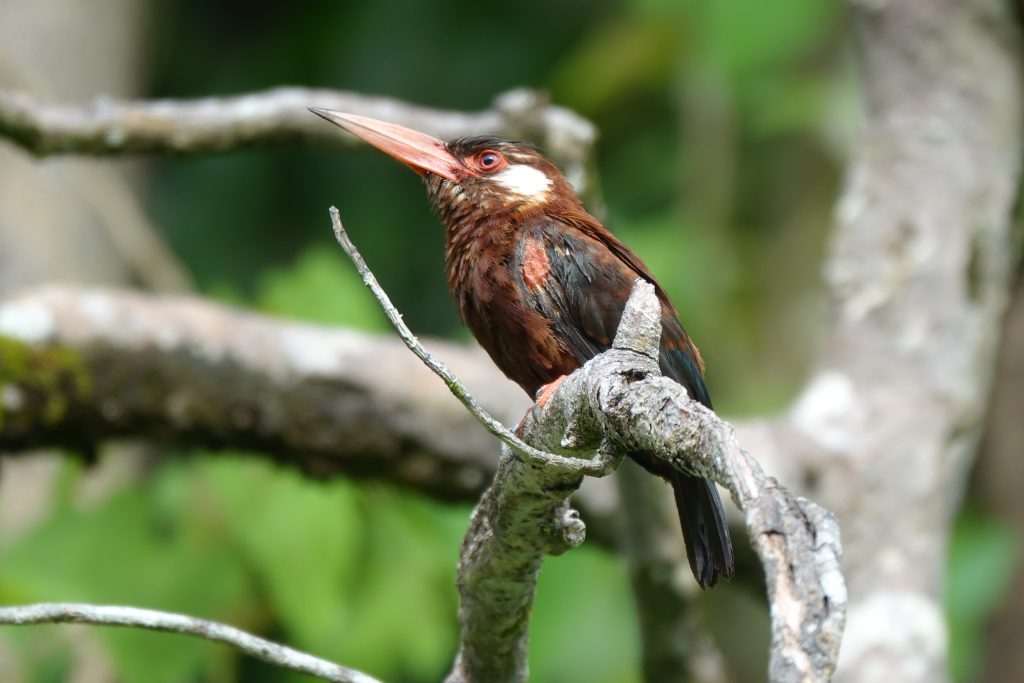
The Purple-throated Cotinga. It is a canopy bird, and depending on the sunlight, its color can look electric blue or turquoise. Whenever I find one, I’m happy.

What has spending time in the forest taught you?
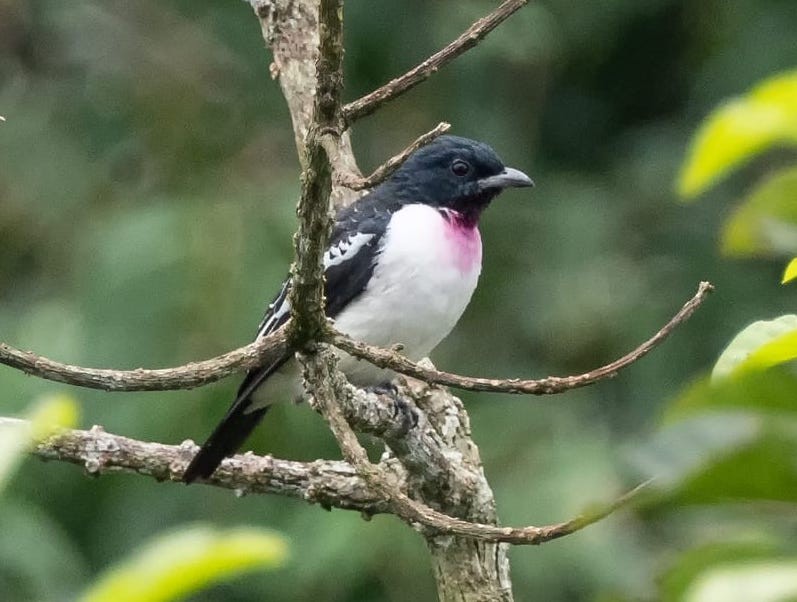
I have always seen the rainforest as the animals’ home. We are the ones entering it. The forest has taught me to observe and to respect the species we encounter.
Do you have to be an expert to take part in October Big Day?
Not at all. There are birds around our homes and in our communities. Anyone can observe birds wherever they happen to be. As more people take part, we learn more about which birds are present in different places on that day.
How can observing birds help protect the Amazon?
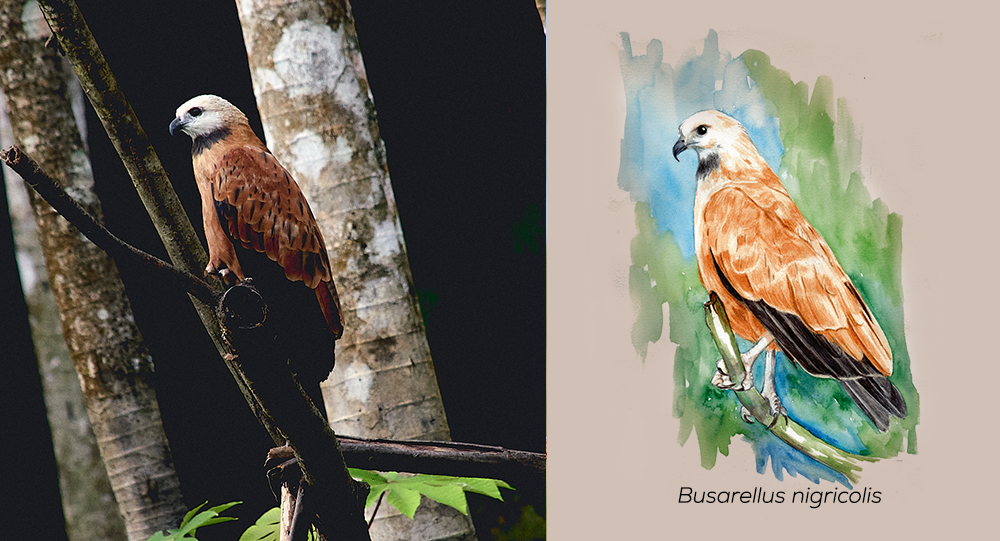
We have to know what is here before we can understand what needs protecting. Bird records help us understand which species live in particular places and which habitats they depend on.
What would you say to someone who has never watched birds?
I would invite them to try it. If they don’t know how to begin, I would be very happy to teach them.
How to take part on October 10
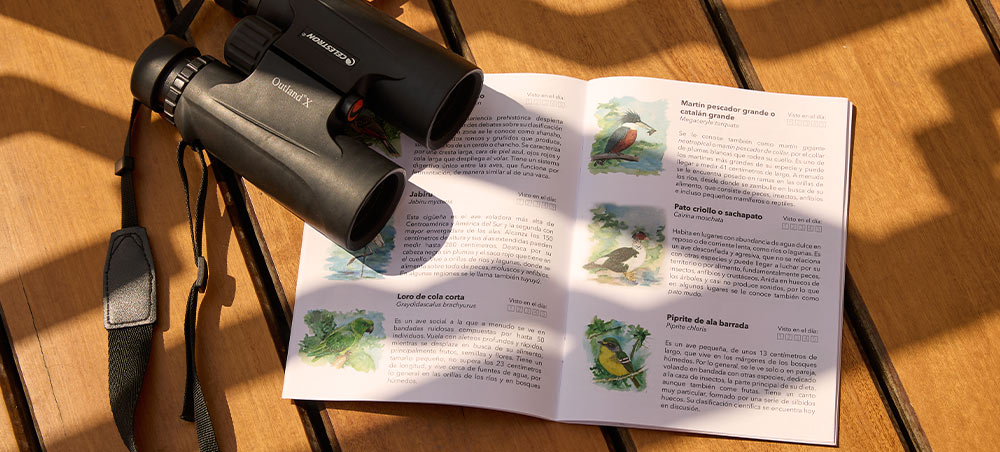
Create a free eBird account and record the birds you can identify by sight or sound on October 10, wherever you are. Submit your checklist through eBird Mobile or the eBird website before October 13, 2026, to be included in the initial results. You can join in from home; a short birdwatching session counts.
For birdwatching on an Amazon river cruise, explore Delfín’s Amazon excursions and learn about birdwatching with a naturalist guide.