



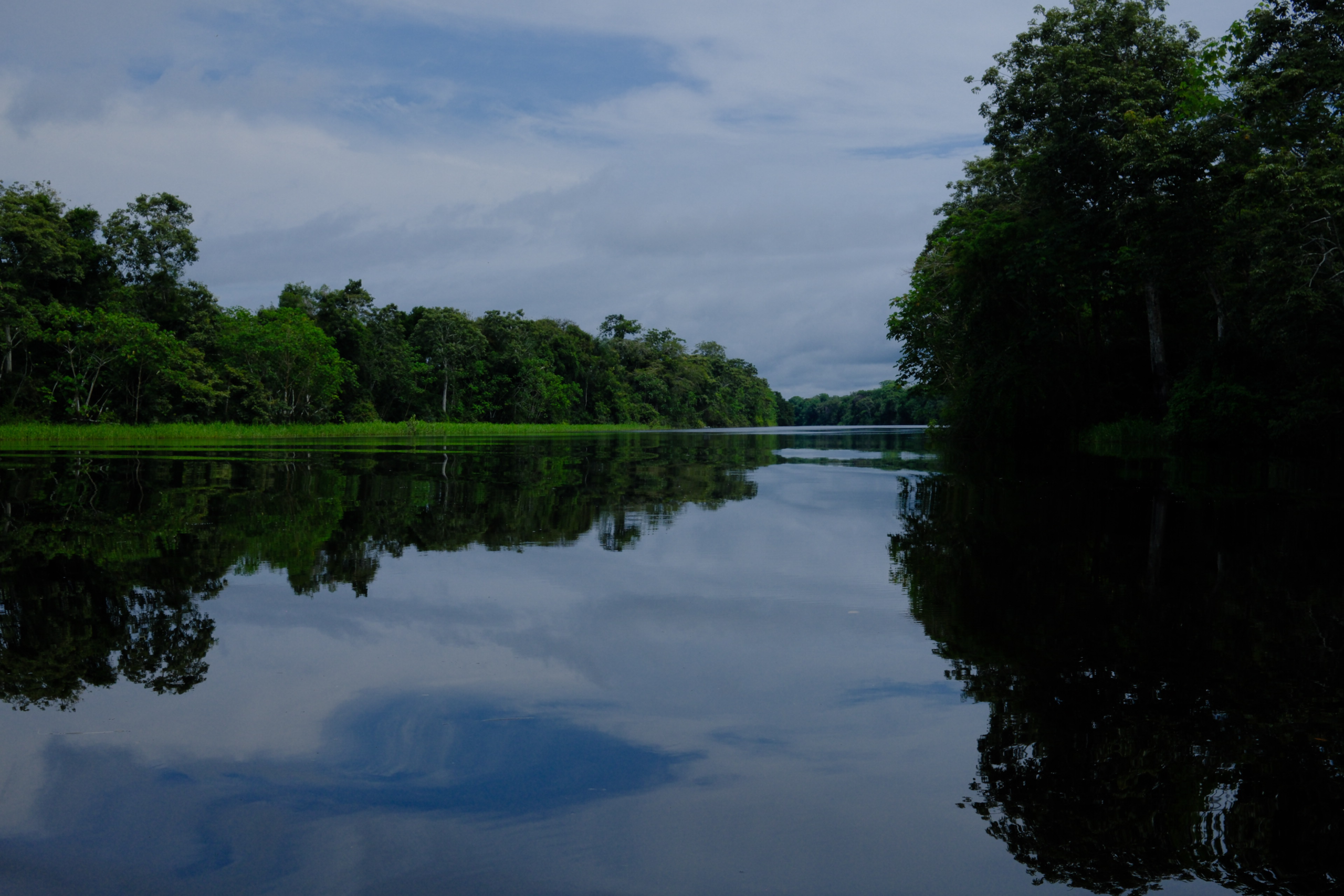
Through Their Eyes: Empowering Women for a New Conservation Journey
By Gaby Orihuela, Delfín Amazon Cruises’ Sustainability Lead
Throughout my career, I have walked many Amazonian trails, often with binoculars around my neck and a notebook in my hand, observing and recording wildlife. Nevertheless, I feel that the most meaningful notes I have taken are the moments when I witnessed someone from the local community seeing their own forest with new eyes.
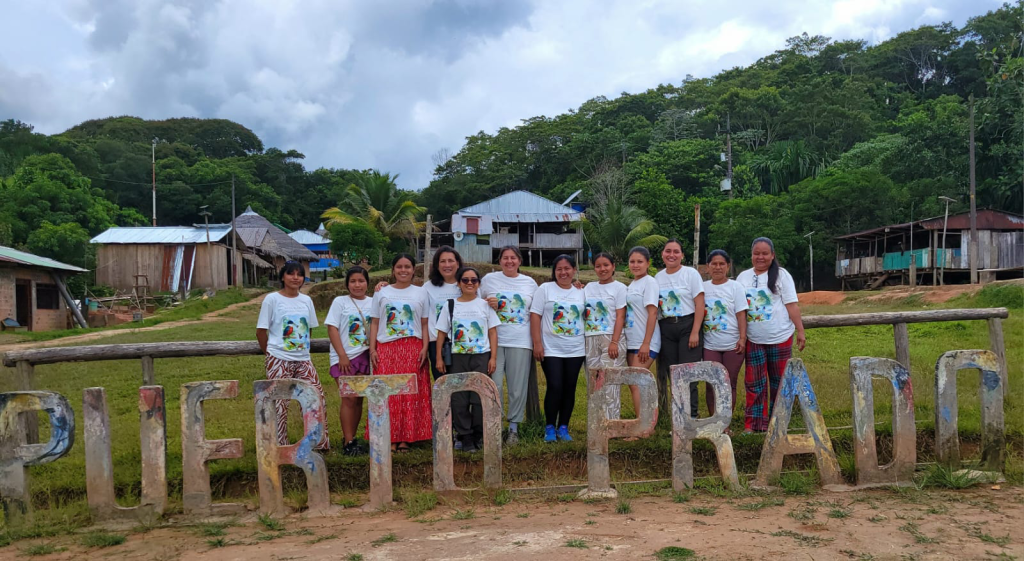
Participants of the “Mujer Kukama: Observa y Protege” avitourism workshop in Puerto Prado.
Last month, in Puerto Prado, we completed our first Avitourism Workshop, “Mujer Kukama: Observa y Protege.” For four days, nine women from the BioRest communities of Puerto Prado, Amazonas, and San Francisco gathered to learn about birds and how to lead birdwatching experiences in their own territory along the Marañón River.
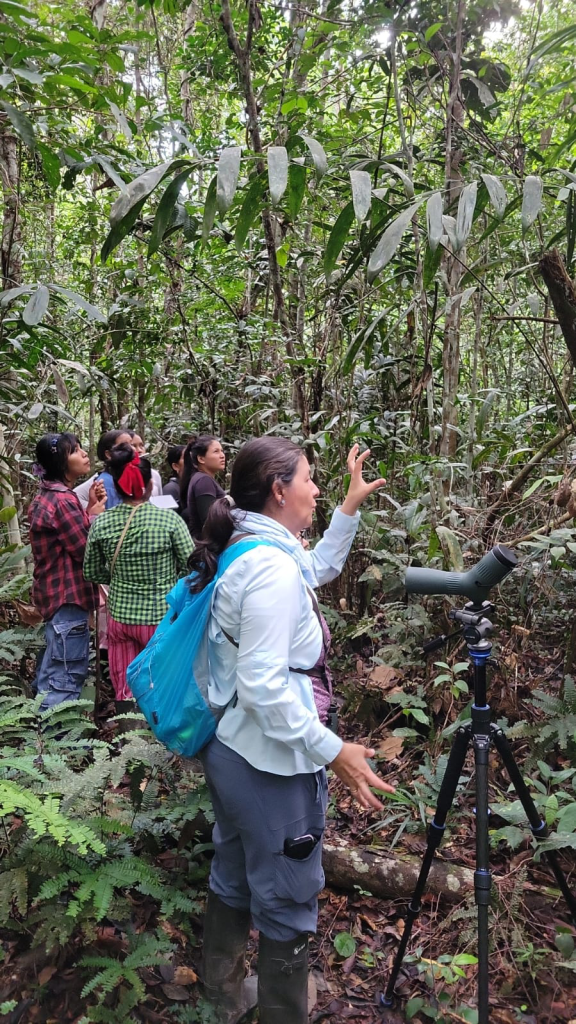
Learning to identify birds by sight and sound.
Wildlife and birds have been part of Kukama Kukamiria life for centuries. The women of these communities are talented artisans who work with chambira palm fiber, creating baskets and trays adorned with macaws, hoatzins, and small forest birds. Their hands already know these shapes. Their art already tells these stories. This workshop added another layer of knowledge, helping them recognize species in the forest, understand their behavior, and share that understanding with visitors and with their own children.
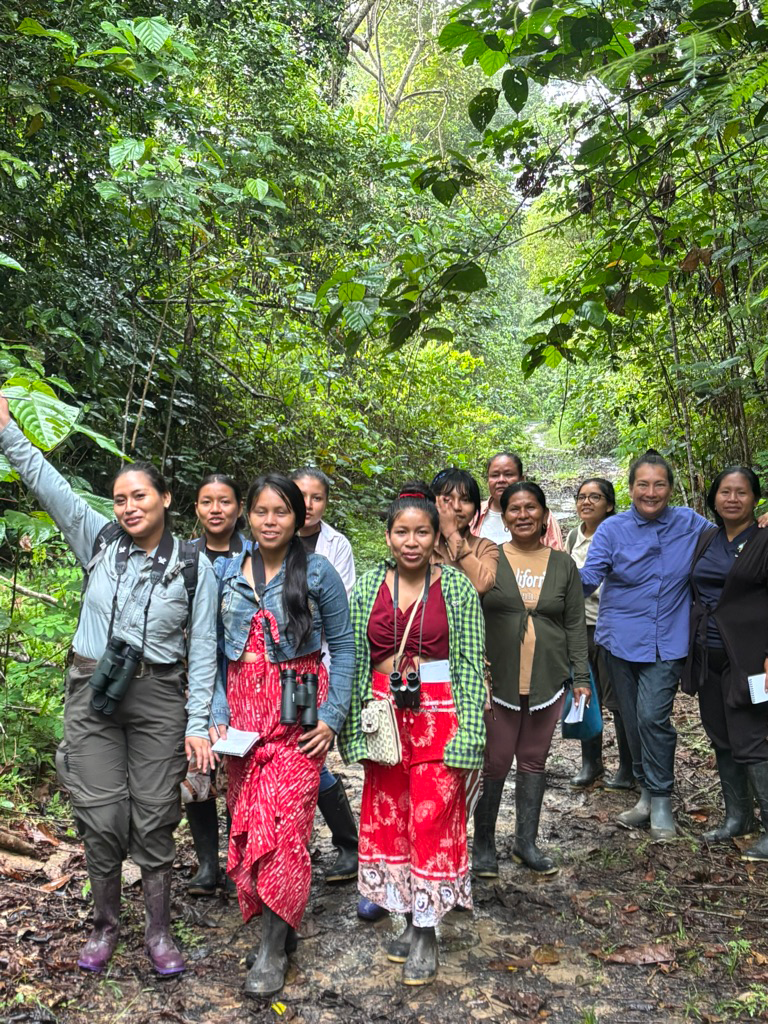 Participants exploring the forest during the avitourism workshop.
The idea began a year ago on a humid morning walk. A young Kukama woman noticed my binoculars and asked what I was looking for. I told her I was searching for birds. She smiled and said she knew many songs, but that the birds often stayed hidden in the canopy. I asked if she would like to learn how to find them. Her answer came quickly. Yes. Then she told me she wanted to show them to visitors, teach children, and represent them more faithfully in her weaving. When I asked if others might join, she laughed and said: My friends would love to!
That is how change often starts here. With a question along a forest path.
With the guidance of ornithologist Claudia Torres-Sovero and the support of park ranger Danni Vásquez Menor from the Reserva Nacional Pacaya Samiria, the group spent long mornings and soft golden afternoons learning together. We listened carefully to calls at dawn. We practiced using binoculars. We compared field notes. By the end of four days, we had identified nearly 80 species.
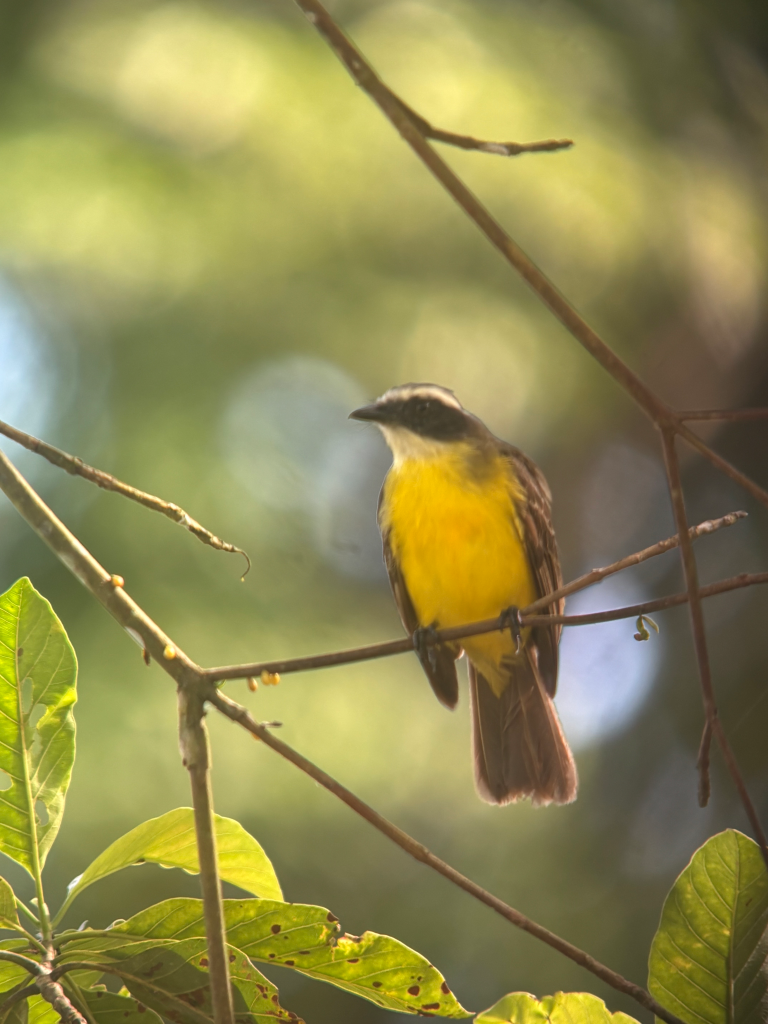
One of the many bird species observed during the workshop.
I have to say what moved me most was watching the group grow in confidence. The youngest participant was 17, the oldest 49. Some were finishing high school, others were university students, artisans, and farmers. At first, a few hesitated to speak. By the second day, they were calling out species names, recognizing songs before anyone else, and gently correcting one another with smiles.
As part of BioRest, our long-term restoration program at Delfín Amazon Cruises, we always pay attention to impact. This workshop built and strengthened Kukama women’s capacities, giving them practical skills to identify birds, guide visitors, and interpret what they see in the forest. By the final session, most participants could confidently recognize more than thirty common species by sight or sound. Together, they mapped three potential birdwatching routes near their communities. They also decided to form a small working group, “Las Tuqui Tuquis,” to coordinate guiding opportunities and ensure that benefits are shared fairly.
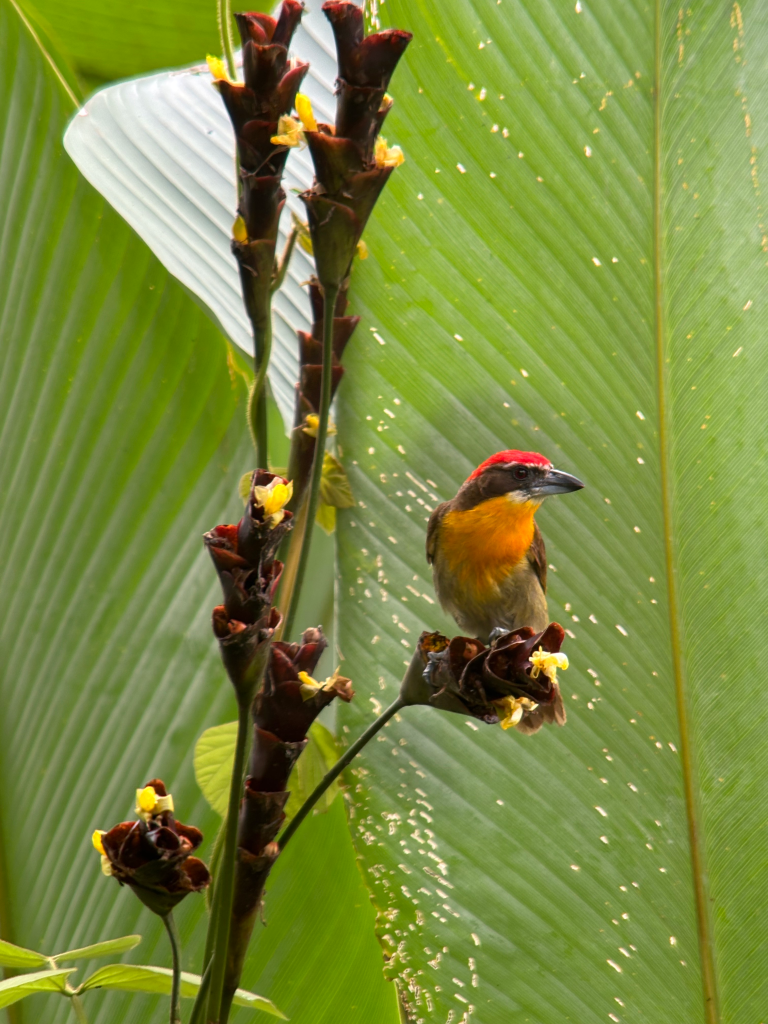
Birdlife that inspires local conservation and birdwatching.
Several women have already shared that they will begin refining bird motifs in their weaving with greater detail and accuracy. Others are preparing to lead their first specialized birdwatching experiences with members of their communities. There is a quiet but clear shift taking place. Skills are expanding. Leadership is becoming visible. There is hope for a new economic activity to emerge.
What stays with me is a simple image. On the last afternoon, one of the youngest participants stood at the edge of the forest explaining why protecting nesting trees matters. She spoke about the future, about children learning bird songs, and about visitors who travel from far away to see what she has always known.
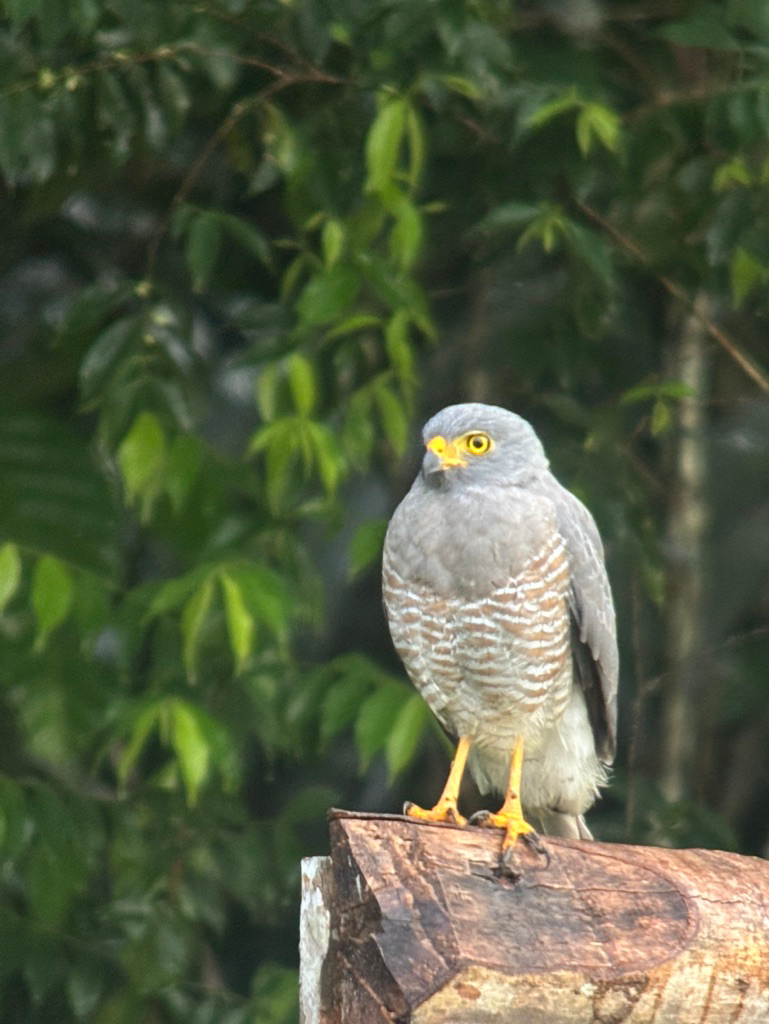
Birds of prey are an important part of Amazonian ecosystems.
In that moment, I saw something stronger than any single workshop. I saw women observing their forest with care. Women ready to protect what they understand. Women who will shape new opportunities for their families and their communities.
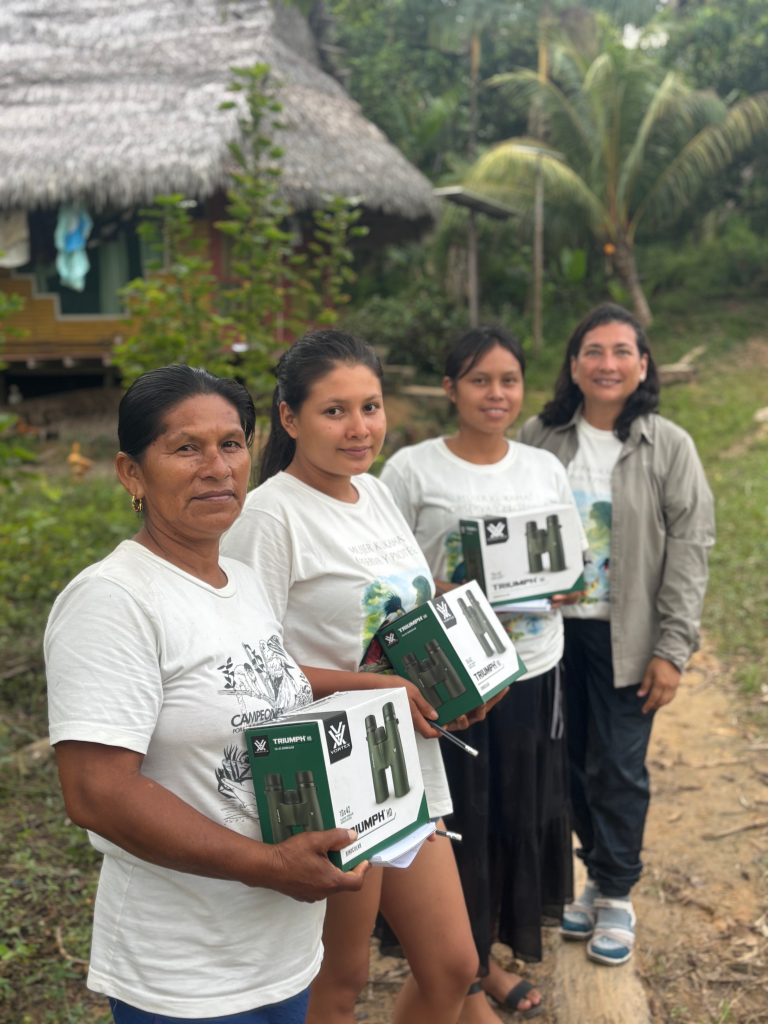
New tools supporting community led birdwatching experiences.
Seeds were sown. For me, that is the heart of conservation in the Amazon.
This workshop was made possible in part through the generous support of Nat Hab Philanthropy grant.